Un caso real de un cliente la semana pasada
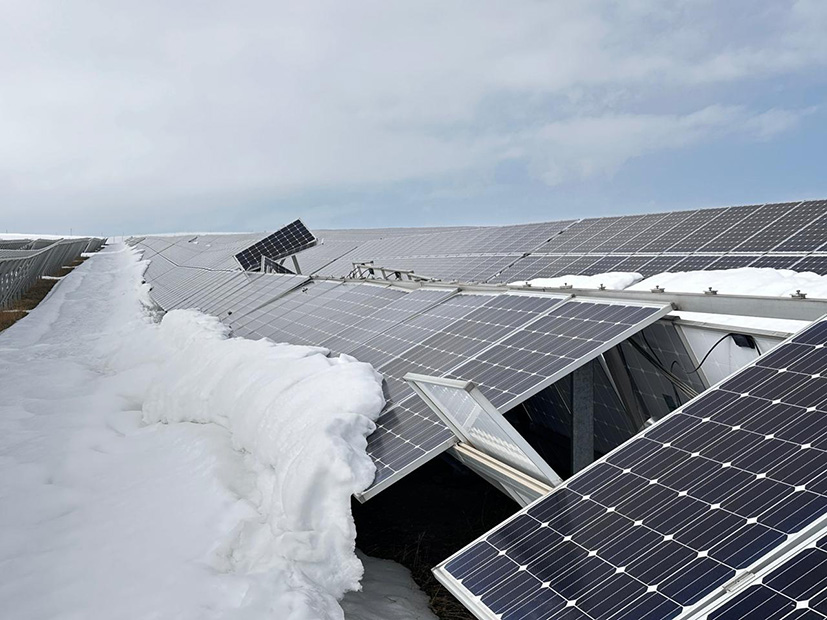
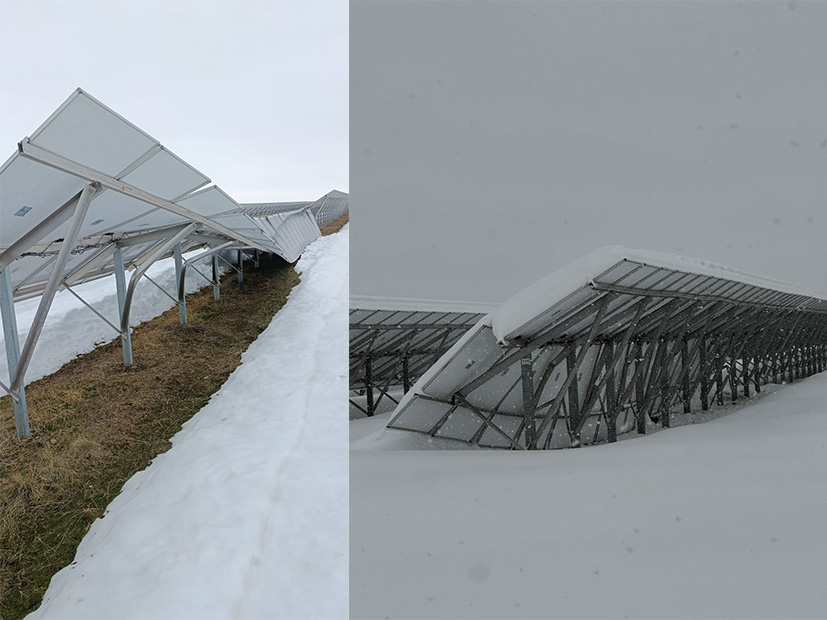
La semana pasada, un cliente de Kazajistán se puso en contacto con nosotros debido a un problema grave. Uno de sus proyectos solares instalados previamente (por su anterior proveedor) sufrió daños estructurales durante el invierno. Tras un periodo de fuertes nevadas, varias estructuras de montaje se doblaron y colapsaron parcialmente bajo la presión de la nieve. El cliente compartió fotos de la instalación dañada y nos preguntó si podíamos ayudarle a analizar la causa y ofrecerle una solución. Tras analizar la situación con nuestro equipo de ingeniería, la conclusión quedó bastante clara. El sistema no había sido diseñado para las condiciones reales de carga de nieve del lugar del proyecto. Como resultado, la capacidad de carga de la estructura fue significativamente menor que la carga ambiental real.
¿Qué falló en el diseño?
Desde el punto de vista de la ingeniería, el problema suele derivarse de varios errores de diseño comunes:
1. Subestimación de la carga de nieve local
En muchas regiones del norte, la carga de nieve de diseño puede alcanzar entre 1,5 y 2,5 kN/m² o incluso más, dependiendo de la altitud y el clima local.
Si las hipótesis de diseño son demasiado conservadoras, la estructura puede soportar cargas muy superiores a su capacidad.
2. Columnas de soporte/tramo de riel excesivo.
Unas longitudes excesivamente mayores entre las columnas de soporte y los rieles guía reducen el uso de material, pero aumentan significativamente el riesgo de deflexión en caso de fuertes nevadas.
Una vez que los rieles, vigas o soportes comienzan a doblarse, la distribución de la carga se vuelve desigual y puede producirse una falla estructural.
3. Rigidez estructural insuficiente
Aunque la resistencia del material parezca suficiente, la rigidez estructural desempeña un papel fundamental para evitar la deformación.
Esto suele pasarse por alto cuando la reducción de costes se convierte en la prioridad.
Por qué la carga de nieve puede ser más crítica que la carga de viento.
Muchos proveedores preguntan primero: "¿Cuál es la velocidad máxima del viento?"
Pero en muchas regiones del norte de Asia, como Kazajistán ( En Asia Central, el norte de Europa, Canadá y el norte de Estados Unidos, la carga de nieve puede ser un factor determinante en el diseño estructural. A diferencia de la carga de viento, que es dinámica y temporal, la carga de nieve genera una presión vertical continua que puede durar días o semanas. Esta carga sostenida suele ser la causa de la flexión de las vigas y la deformación de los sistemas de montaje.
Lección clave de ingeniería
Los sistemas de montaje solar siempre deben tratarse como componentes de ingeniería estructural, no como simples accesorios. Un diseño fiable debe tener en cuenta cuidadosamente:
1. Datos locales de viento y carga de nieve
2. Soporte / Tramo del riel y rigidez estructural
3. Factores de seguridad en el cálculo estructural
4. Resistencia de la conexión y rendimiento del material
Ignorar cualquiera de estos factores puede aumentar significativamente el riesgo de fallo estructural.
En Corigy Solar, Siempre hemos creído que realizar el trabajo preliminar a fondo demuestra nuestra responsabilidad hacia nuestros clientes. Cuando recibimos una consulta, Lo primero que hacemos es solicitar al cliente la información del proyecto (incluida la velocidad máxima del viento y la carga de nieve). A continuación, nuestro equipo de ingenieros realizará cálculos estructurales para garantizar que el material que proporcionamos pueda soportar la velocidad máxima del viento y la carga de nieve.
Principalmente hecha por acero galvanizado, anodizado el aluminio y el ZAM materiales
Suministrar servicio del OEM y accesorios. No cantidades limitación, y libre de las muestras si usted necesita
Install solar panel on the metal roof by standing seam, klip-lok, L foot or other clamps.
Adecuado para el azulejo de techo, techo de chapa y cubierta plana etc
Totalmente independiente de la fuente de alimentación externa, adecuado para áreas sin acceso a la red
Sistema de generación de energía solar de alta eficiencia y ahorro de costos

CORIGY SOLAR , 11 años de experiencia en la investigación, fabricación y venta de solares, sistema de montaje. Siempre estamos tratando de brindar el mejor apoyo para usted, incluyendo la rapidez de respuesta, costos, control de calidad, de diseño, de apoyo al distribuidor.
Correo electrónico
sales@corigy.comTeléfono
0086-592-6883200Ubicación
No.893,Haicang Avenue,Haicang District,Xiamen City,China.

 Red IPv6 compatibles
 español
 English
 한국의
한국의