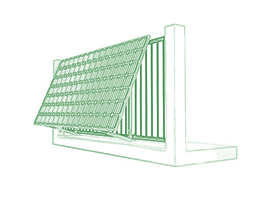
La carga de nieve es la carga determinante para las centrales fotovoltaicas ubicadas en zonas frías, regiones de gran altitud y áreas del norte durante el invierno. En comparación con la carga de viento, la carga de nieve ejerce impactos más destructivos sobre los soportes. A diferencia de la carga de viento, que actúa instantáneamente, la carga de nieve es una carga estática a largo plazo que soportan los sistemas de montaje solar en suelo y los módulos durante días o incluso meses. Provoca daños multidimensionales en las estructuras, conexiones de juntas, cimientos y rendimiento general ant vuelco, desencadenando fallos como deformación estructural, colapso y rotura de módulos. Combinada con diversos escenarios de montaje solar que incluyen terreno plano, terreno inclinado y azoteas planas, los impactos específicos se detallan a continuación:
I. Cubierta de nieve uniforme: provoca deformación plástica general y daños por fatiga en los soportes
La nieve distribuida uniformemente en grandes áreas impone una presión vertical sostenida y uniforme sobre los conjuntos fotovoltaicos, representando la forma más fundamental y frecuente de acción de la carga de nieve.
Deformación por deflexión de vigas principales y secundarias Cuando las vigas transversales de soporte y los rieles guía soportan el peso de la nieve durante un largo periodo, se producirá una flexión descendente permanente que no puede recuperar el estado plano original si el tamaño de la sección de los perfiles es demasiado pequeño, el espesor de pared es insuficiente o la longitud del vano es excesiva. La deformación provoca una tensión desigual en los módulos, haciendo que el vidrio sea propenso a micro grietas. Mientras tanto, el ángulo de inclinación original de los paneles fotovoltaicos se modifica, debilitando la capacidad de drenaje y retirada de nieve y creando un ciclo perjudicial de acumulación de nieve.
Fatiga estructural acumulada Las cargas alternas provocadas por la repetida acumulación de nieve y el deshielo en invierno mantienen los perfiles de soporte bajo tensión y compresión persistentes, dando lugar a daños por fatiga. Tras un funcionamiento prolongado, la rigidez general de los soportes disminuye y la estabilidad se deteriora continuamente, con una pérdida estructural mucho mayor que en regiones sin nieve y con temperaturas moderadas.
Desviación de verticalidad de los soportes La fuerza de compresión sostenida sobre las columnas verticales provoca una ligera inclinación y asentamiento, alterando la planitud general de los conjuntos. Esto afecta indirectamente la resistencia posterior al viento y a los terremotos y reduce la estabilidad general de la central eléctrica.
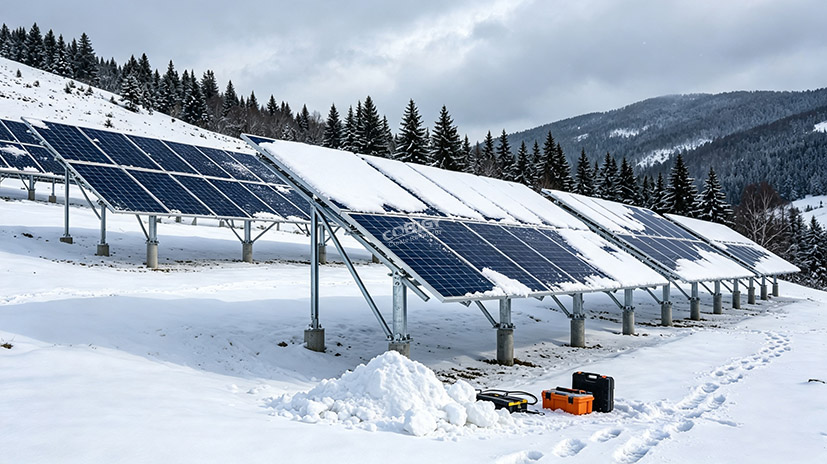
II. La cubierta de nieve desigual induce tensión excéntrica y fallos estructurales por torsión y corte
Esto constituye el principal factor desencadenante de daños para los soportes en pendientes montañosas, soportes con inclinación pronunciada y soportes de filas posteriores sombreados por obstáculos, así como la causa principal de los accidentes de colapso por carga de nieve. La distribución desigual de nieve provocada por la gravedad, la dirección del viento y el sombreado genera cargas excéntricas y rompe el equilibrio de tensiones de los soportes.
Compresión excéntrica unilateral El sombreado de edificios o árboles y la inclinación inconsistente de los paneles provocan una gran acumulación de nieve en un lado de una fila individual de soportes y superficies despejadas en el otro lado, generando enormes momentos flectores excéntricos. Las vigas transversales de soporte y las columnas verticales soportan esfuerzos combinados de torsión y corte, haciendo muy probable la distorsión y flexión de los perfiles.
Sobrecarga por nieve acumulada en las secciones delantera y trasera La nieve suelta tiende a acumularse en ambos extremos de los conjuntos y en las posiciones con diferencias de altura de los soportes, con cargas locales que superan ampliamente los criterios de diseño. Esto provoca el colapso por sobrecarga de los soportes de un solo vano y desencadena posteriormente un vuelco en cascada de todo el conjunto.
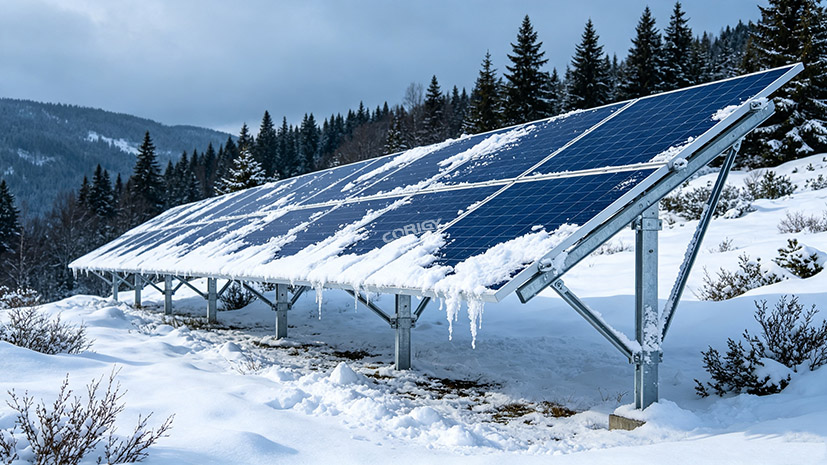
Podemos diseñar soportes con ángulos de inclinación adecuados para facilitar el desprendimiento natural de la nieve. Mientras tanto, se pueden instalar clips de retirada de nieve en los módulos fotovoltaicos para ayudar a eliminar la nieve
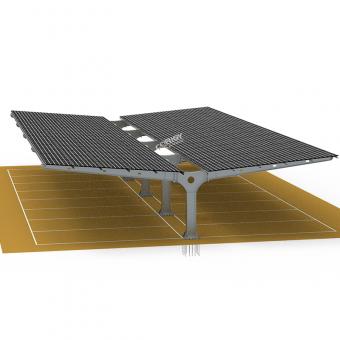
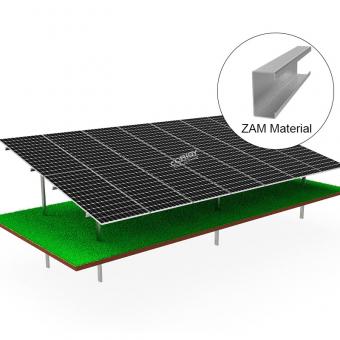
Principalmente hecha por acero galvanizado, anodizado el aluminio y el ZAM materiales
Suministrar servicio del OEM y accesorios. No cantidades limitación, y libre de las muestras si usted necesita
Install solar panel on the metal roof by standing seam, klip-lok, L foot or other clamps.
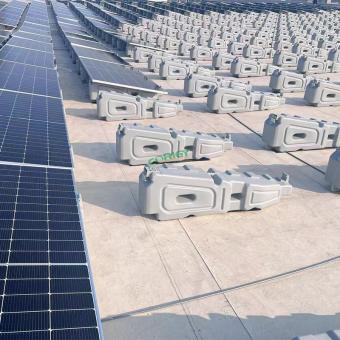
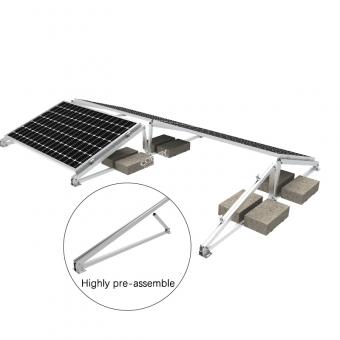
Adecuado para el azulejo de techo, techo de chapa y cubierta plana etc
Totalmente independiente de la fuente de alimentación externa, adecuado para áreas sin acceso a la red
Sistema de generación de energía solar de alta eficiencia y ahorro de costos

CORIGY SOLAR , 11 años de experiencia en la investigación, fabricación y venta de solares, sistema de montaje. Siempre estamos tratando de brindar el mejor apoyo para usted, incluyendo la rapidez de respuesta, costos, control de calidad, de diseño, de apoyo al distribuidor.
Correo electrónico
sales@corigy.comTeléfono
0086-592-6883200Ubicación
No.893,Haicang Avenue,Haicang District,Xiamen City,China.

 Red IPv6 compatibles
 español
 English
 한국의
한국의